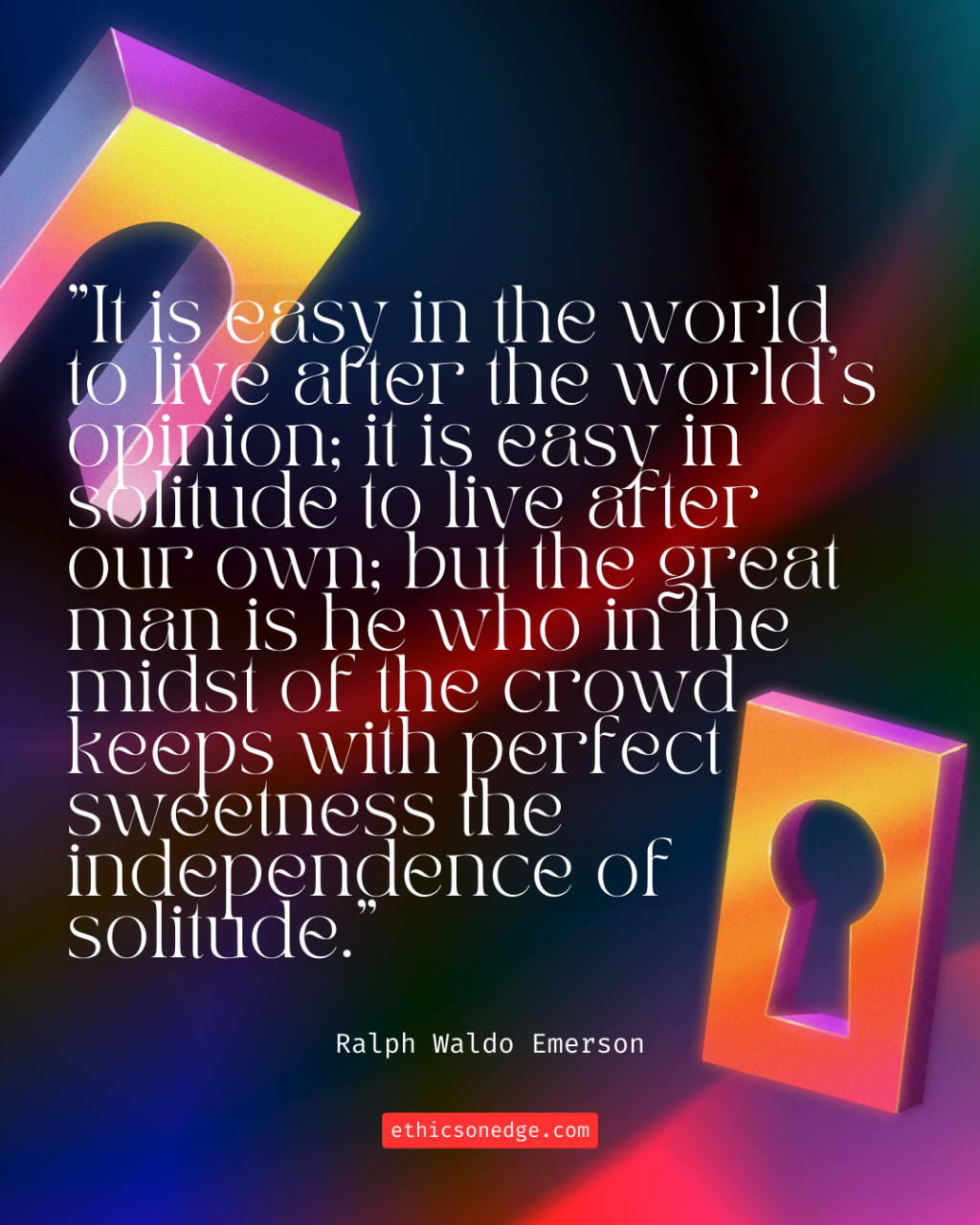
“It is easy in the world to live after the world’s opinion; it is easy in solitude to live after our own; but the great man is he who in the midst of the crowd keeps with perfect sweetness the independence of solitude.” – Ralph Waldo Emerson (1803-1882)
Juan Huarte de San Juan was a Spanish physician, philosopher, and writer born in Navarre, Spain, in 1529. He is best known for his influential work “Examen de Ingenios para las Ciencias” (The Examination of Men’s Wits), published in 1575. In this work, Huarte de San Juan proposed a theory of individual differences in intelligence and aptitude, challenging prevailing notions of universal intellect and advocating for a more empirical approach to medicine.
Huarte de San Juan’s theory of individual differences was groundbreaking for its time. He argued that intelligence and aptitude varied among individuals due to factors such as temperament, natural abilities, and environmental influences. Huarte de San Juan believed that these individual differences influenced one’s suitability for various professions, including medicine. He proposed that physicians should assess a person’s natural aptitudes and temperament when determining their suitability for medical practice, rather than relying solely on academic qualifications or social status.
Despite the innovative nature of his ideas, Huarte de San Juan faced significant opposition from the religious and academic authorities of the Spanish Inquisition. His theories challenged established beliefs about human nature and education, leading to accusations of heresy and threats of persecution. However, Huarte de San Juan remained steadfast in his beliefs and continued to defend his ideas, even in the face of condemnation and censorship.
In the context of Ralph Waldo Emerson’s quote, Juan Huarte de San Juan exemplifies the qualities of a “great man” who maintains independence and authenticity in the face of societal pressures.
Huarte de San Juan’s refusal to conform to prevailing opinions and his insistence on pursuing his own ideas, despite the threat of persecution, embody Emerson’s ideal of maintaining independence of thought and action. Despite facing opposition and condemnation from the authorities of his time, Huarte de San Juan remained true to his convictions and continued to advocate for his theories, leaving a lasting impact on the fields of medicine and philosophy.

 Ethics On Edge
Leave a comment